
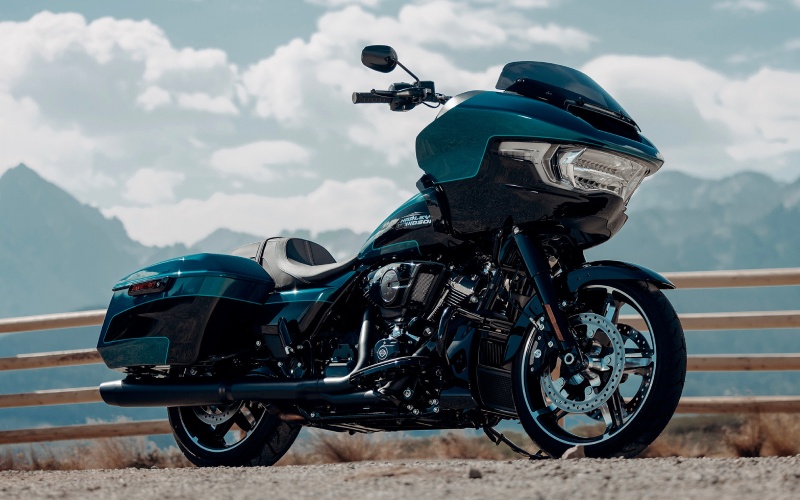
Freedom Valley Harley-Davidson® - 2026 Harley-Davidson® Road Glide® vs 2026 Indian Challenger — Which touring cockpit feels more intuitive for Norristown, PA riders?
When riders weigh the 2026 Harley-Davidson® Road Glide® vs 2026 Indian Challenger, one question rises to the top: which cockpit actually feels clearer, calmer, and more helpful when you’re out on real roads around Norristown, PA? Both bikes bring serious tech to the table, but the way information is presented—and how easily you can interact with it—changes your experience hour by hour. Cockpit design is not just about screen size; it’s about how fewer glances, smarter menus, and predictable controls support your decisions in traffic, in the rain, or across a long day on the highway.
We’ll break down the screen hardware, software, and rider-focused features that make the difference. Our goal is to help you understand why clarity and cohesion in the cockpit matter as much as raw horsepower or luggage volume when the miles start adding up.
Display size and readability at a glance
The 2026 Road Glide places a 12.3-inch Skyline OS full-color TFT in the center of its frame-mounted sharknose fairing. That size advantage translates into immediate readability—icons, street names, prompts, and instrumentation can be larger without crowding the view. Riders can parse navigation or audio info with a brief glance, reducing eye-off-road time. The Challenger’s 7-inch display is capable and well-organized, yet smaller real estate requires denser layouts, which can demand an extra beat of attention at highway speeds or on bumpy pavement.
Screen size is only part of the puzzle, of course, but in bright sun or when Norristown, PA, traffic stacks up and you’re lane-positioning constantly, having more visual space reduces cognitive load and keeps you in the moment.
Smartphone integration and voice support
On the Road Glide, Apple CarPlay integration is supported wirelessly or via USB-C, which gives riders flexibility for different setups and charging needs. CarPlay’s familiar interface and crisp mapping enhance the 12.3-inch canvas, while Bluetooth pairing simplifies audio and headset connections. The Challenger also offers Apple CarPlay and robust connectivity, and riders who prefer Polaris RIDE COMMAND will find a mature set of features. The distinction comes from how the Road Glide’s larger screen improves the CarPlay experience—text is easier to read, on-screen buttons are more forgiving with gloves, and multi-pane layouts can show more at once without cramping.
For riders who like to keep calls or prompts hands-free through headset voice control, both platforms support that flow. The Road Glide’s layout simply gives voice-guided tasks and on-screen confirmations a little extra breathing room.
Navigation clarity and route changes
Rerouting and on-the-fly decisions are where display design shines. The Road Glide’s Skyline OS can surface clear lane guidance, upcoming turns, and audio cues in larger fonts and iconography, making quick work of merges along the Schuylkill or jogs across surface streets. The Challenger’s RIDE COMMAND navigation is proven and full-featured, but when you’re parsing distance-to-turn or trying to confirm a complex interchange, the Road Glide’s expanded visual field helps cut through the clutter.
This is doubly helpful when you’re riding in a group. With more real estate, the Road Glide can keep nav prompts and audio controls visible side-by-side, so you can tweak volume or skip a track without leaving the map screen.
Rider safety information when it counts
Modern baggers pair riding aids with the dash to deliver timely, digestible information. On the Road Glide, cornering-aware ABS and traction control messages are subtle and non-intrusive, but the bike’s interface can quickly cue status or warnings without burying you in submenus. Vehicle Hold Control makes hill starts smoother, and indications on the display are easy to confirm at a glance. The Challenger provides an impressive suite of rider tech as well; the crucial difference is the Road Glide’s larger canvas for status indicators and its intuitive organization, which together reduce the time you spend scanning for the info you need.
When conditions change—from a dry highway to a shaded, damp back road—knowing the system is doing its job without demanding your attention helps you stay focused on road and traffic.
Audio control without distraction
Audio is not just entertainment; it can be safety, too, by keeping navigation prompts audible and your attention forward. The Road Glide’s two 5.25-inch fairing speakers and 50 watts per channel deliver clear sound, and the broader screen layout means fewer taps to get to what you want. Adjusting a playlist, switching sources, or pairing a new device takes fewer steps, and touch targets are generously sized. The Challenger’s audio capabilities are strong, and its system scales with available upgrades; even so, riders often note that the Road Glide’s larger interface is easier to operate reliably with gloves, especially at speed.
Fewer touches and larger UI elements reduce the chance of “menu diving,” which is when distractions creep in just as traffic gets complex.
Ride modes and the feedback loop
Both motorcycles offer selectable ride modes that adapt throttle response and electronic intervention to the moment. Here again, the Road Glide’s interface makes it obvious which mode you’re in and how to change it—without forcing you to step out of the core riding view for long. When a passing lane opens or rain spits on the visor, that quick adjustment can mean you stay in the groove while the bike adapts beneath you. The Challenger’s logic is sound and practical, yet many riders prefer the way the Road Glide’s menus are grouped, labeled, and spaced.
This is the subtle part of cockpit design: the less you think about the system, the more you think about the ride.
How cockpit design affects fatigue
Fatigue is not just about seat foam and wind protection. Visual strain and cognitive load contribute just as much on a two-hour evening ride as they do on a cross-state trek. The Road Glide’s cockpit reduces this load by improving legibility, spacing out key functions, and presenting rider aids coherently. Add the inherent stability of the frame-mounted sharknose fairing, and your shoulders and eyes simply relax more. The Challenger’s fairing design provides notable stability, too—both bikes shine there—but the Road Glide’s display-driven calm is a differentiator riders feel by the end of the day.
Put simply, a clearer cockpit equals a clearer head, which equals better decisions and more enjoyable miles.
Who benefits most from the Road Glide’s cockpit?
If your riding includes weekday commutes, weekend loops, and occasional long hauls—often with traffic variability and quick navigation updates—the Road Glide’s larger display and streamlined interface pay off constantly. Riders who value minimal distraction during dense traffic near Norristown, PA or quick route changes on the way to meet friends will appreciate the intuitive feel. If you prefer a system that’s familiar from your phone and scales gracefully to a motorcycle’s use case, the Road Glide checks those boxes with room to spare.
Both motorcycles are capable, modern, and comfortable. The defining difference is how easily you can access the tech you paid for without taking your eyes and mind off the road.
Frequently Asked Questions:
Does the larger 12.3-inch screen on the Road Glide really matter on the road?
Yes. Larger text, clearer icons, and more room for multi-pane views reduce eye-off-road time, especially when you’re juggling navigation and audio. It adds up to less distraction over a full day of riding.
Are both bikes compatible with Apple CarPlay?
Yes. Both the Road Glide and Challenger support Apple CarPlay. The Road Glide’s 12.3-inch display enhances CarPlay’s interface with bigger touch targets and easier-to-read navigation prompts.
Which bike offers better integration of rider aids with the dash?
Both integrate aids well, but the Road Glide’s interface makes status and mode changes more obvious and accessible at a glance, which many riders find easier to manage in traffic and variable weather.
Freedom Valley Harley-Davidson®—serving Allentown, PA, Trenton, NJ, and Norristown, PA—helps riders compare these systems side-by-side and think through how cockpit clarity will affect everyday use. A motorcycle’s tech should enhance focus, not compete with it, and that’s where the Road Glide’s larger screen and intuitive Skyline OS truly shine for a wide range of riders.